Whitton
Twickenham, in the London Borough of Richmond. A quiet residential setting close to local amenities and green space.
Home › Supported living
Your life, your choices, our support. We provide high-quality supported living services across London, helping people to live independently, confidently, and in a way that reflects their own choices, goals and aspirations.

Our homes are in quiet, homely residential areas, with spacious rooms and gardens to relax in. They are easy to get to, close to parks, shops and hospitals: everything you would want in a home.
Twickenham, in the London Borough of Richmond. A quiet residential setting close to local amenities and green space.
Spacious rooms and a garden, within easy reach of the town centre, the riverside, parks and Kingston Hospital.
Hillingdon, at the western edge of London, close to shops, transport, green space and community groups.
We also provide 24/7 nurse-led residential care. Call us to talk about what level of support is needed and what we currently have available.
We believe that everyone deserves the opportunity to live a fulfilling life, regardless of their support needs. Our person-centred approach means you stay in control of the decisions that matter most to you: how you live, how you spend your time, and how you manage your money.
No two people are the same, and neither are their support needs. We never assume that what works for one person will work for another. We work alongside you to create a support package that reflects your lifestyle, preferences and goals, and we adapt it as things change.
Our aim is not simply to provide support, but to help you lead the life you choose.
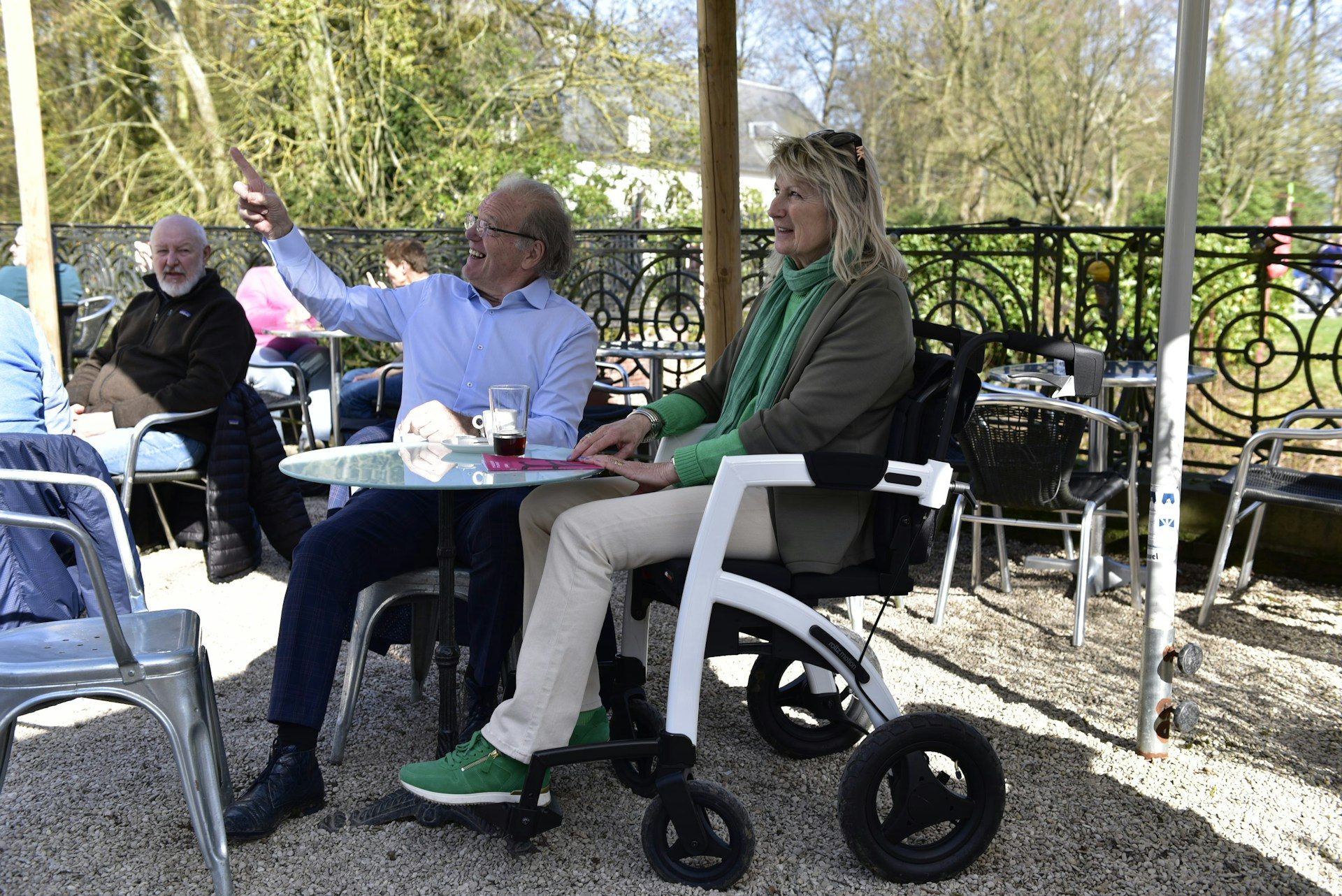
Practical, everyday help from a team who know you, so that independence is something you actually have rather than something you are promised.
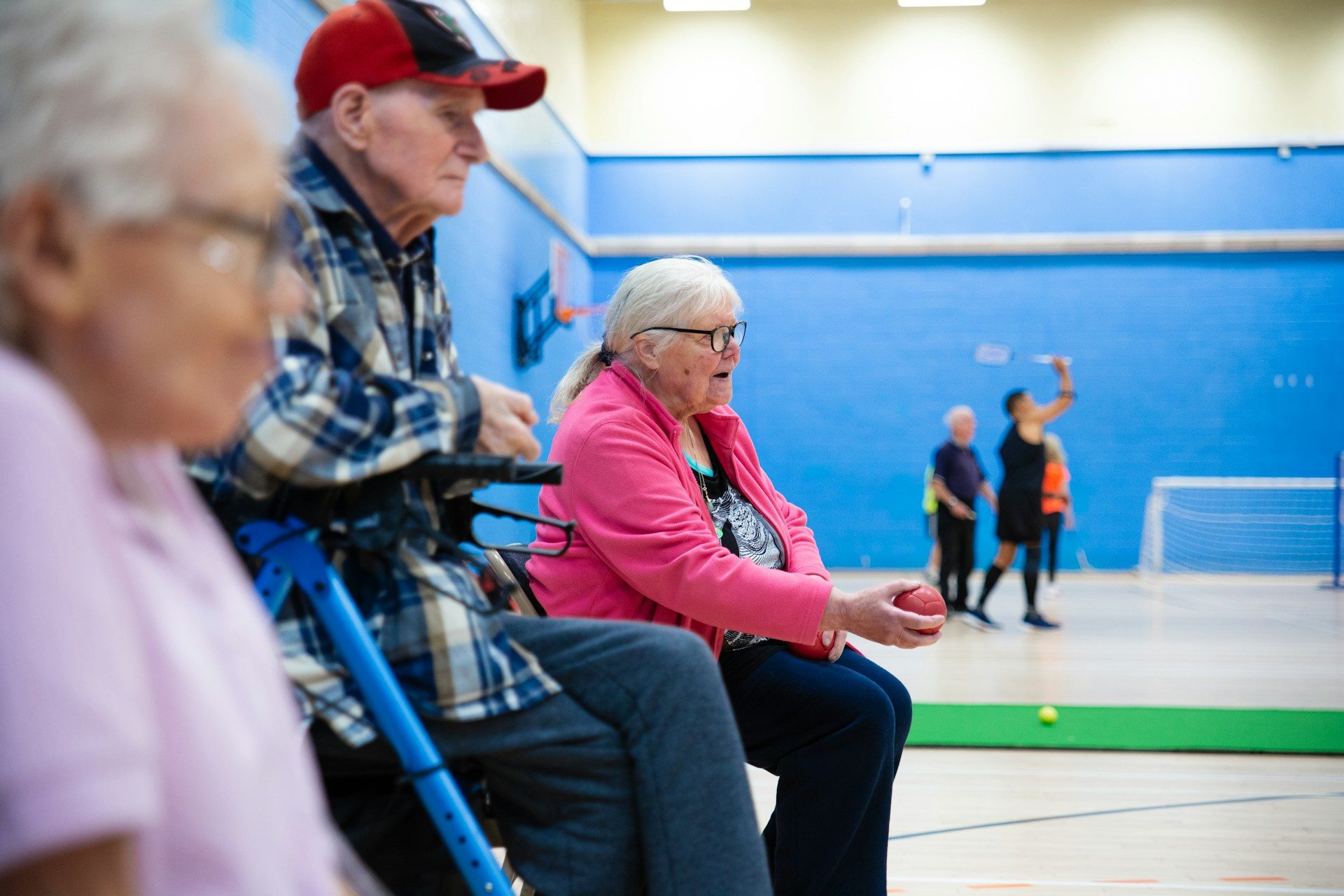
Within supported living, activities are opportunities to develop skills, build confidence, stay well and become more independent. Our staff support people to take part in a way that reflects their own goals, preferences and abilities.

A practical skill that turns into a genuinely useful tool for daily life. It is also a good sensory activity: you get to make a mess, feel different textures, and most people find it relaxing.

An essential life skill that supports independence and decision-making. It gives people the chance to choose their own food and clothes, and to build confidence with money.

Regular physical activity has real benefits for physical and mental health. Walking, gardening, swimming, dancing or joining a local community group can make a significant difference to how someone feels.
Day centres give people a safe, supportive and inclusive place to learn, socialise and take part in something meaningful. They are one of the most effective ways to build confidence and reduce isolation.
We support people to plan and go away on holiday. Holidays give people with learning disabilities the chance to relax, have fun and enjoy new experiences, and they matter for wellbeing, independence, confidence and social inclusion.
They are also a genuine chance to practise important life skills: planning activities, budgeting, making choices, travelling and meeting new people.
Most importantly, holidays make sure that people with learning disabilities have the same opportunities as everyone else to enjoy themselves, explore new places, and live a full life.

In supported living the person has their own home and keeps control of their own life, money and choices, with support brought in around them. A care home is a residential setting where care and accommodation come together as one package. They are different legally and they feel completely different to live in.
Usually a combination of local authority social care funding, housing benefit towards the rent, and sometimes NHS funding. Our guide to paying for care covers the routes, and we can work through it with you and the social worker.
Yes. We provide accommodation on a respite basis as well as permanently, and many families use a short stay as a trial before deciding anything.
We provide 24/7 nurse-led residential care where that level of support is needed. Call us to talk through what is required and what we currently have available.
No call centre and no obligation. Tell us what you are dealing with and we will tell you honestly whether we can help.