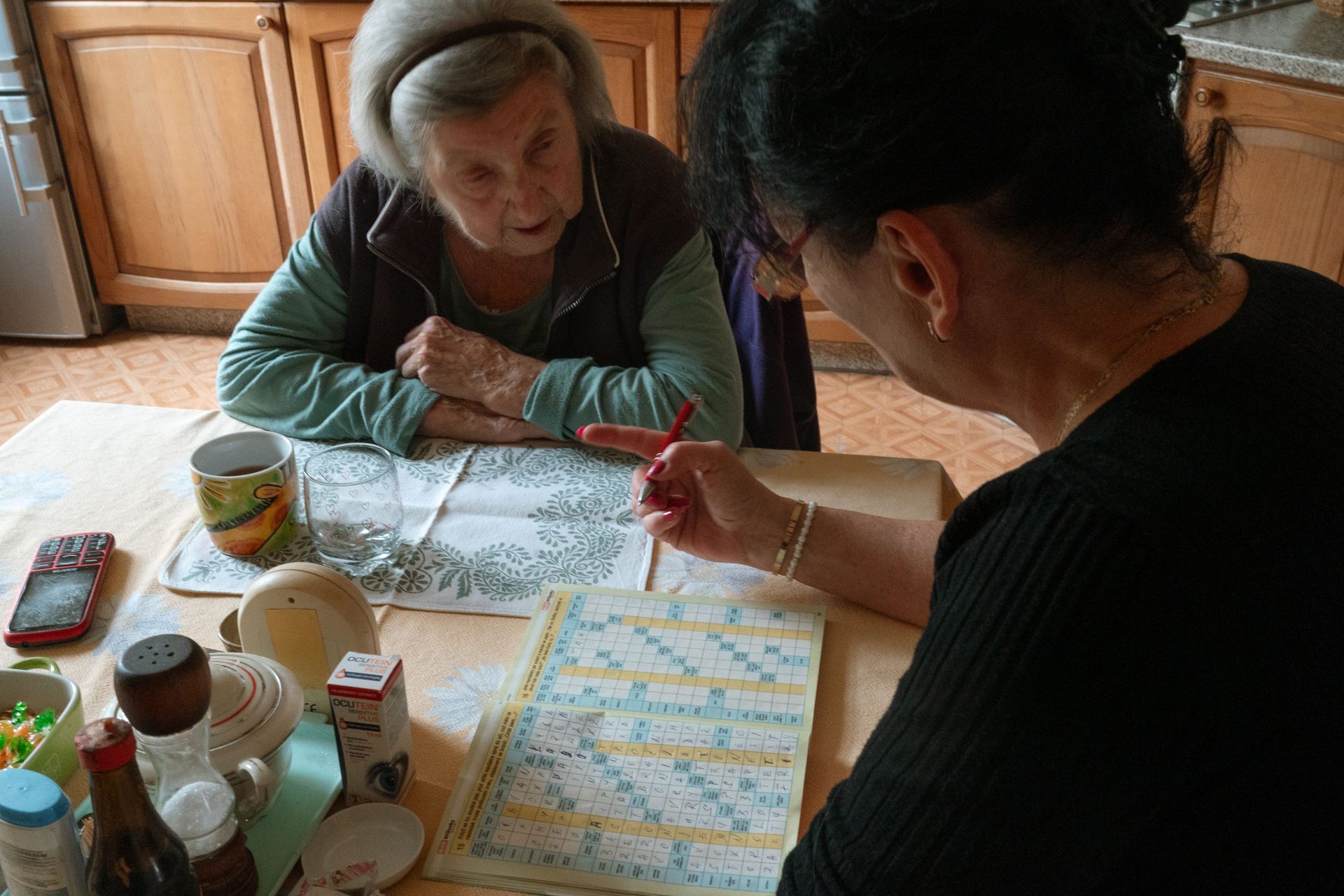
Domiciliary Care Services in London
Domiciliary care is care in your own home: carers who visit at agreed times, or a carer who lives in. We help with personal care, medicines, meals, housework and company, including for people living with dementia. We are registered with the CQC to provide personal care to adults aged 18 and over. Regular visits are most realistic in Bexley, the City of London, Greenwich, Lewisham, Southwark, Tower Hamlets and Westminster, and live-in care covers all of Greater London.
Everything we can help with
Some people need a hand for a short visit in the morning. Others need a carer living in. The free assessment is how we work out, honestly, which of these you actually need. New to this? Read our guide to what domiciliary care is, or see how our domiciliary care in London works.
Ask about your situation-
Adult home care, 18 and over
Care at home for adults aged 18 and over, planned around what each person needs and reviewed as that changes. Most packages combine several of the services below.
-
Dementia care
People living with dementia are one of the groups named on our CQC registration. We support them at home with visits or a live-in carer, keeping to a familiar routine and a small, consistent team. Diagnosis and treatment stay with the GP and the NHS memory service.
-
Medication support
Reminders, help opening packs and help taking prescribed medicines, recorded at every visit. The care plan sets out exactly what carers do for each person. National guidance on this is NICE guideline NG67, on managing medicines for adults receiving social care in the community.
-
Personal care
Help with washing, showering, dressing, using the toilet and continence care, at the person's own pace and in the way they prefer. This is the regulated activity our CQC registration covers.
-
Home help and domestic care
Light housework, laundry, changing beds and keeping walkways clear, so the home stays clean and safe to move around in.
-
Companionship
Time for conversation, a walk, a trip to the shops or a café, or help keeping up with friends and appointments, for people who spend long stretches on their own.
-
Food preparation and serving
Cooking or heating meals, making drinks and helping with eating where needed, with any special diet written into the care plan.
-
Shopping and errands
Food shopping, collecting prescriptions and posting letters, done with the person or on their behalf.
-
Sit-in service
A carer stays with someone for a few hours so a family carer can go out, work or rest, knowing the person is not alone.
-
Specialised and complex care
Personal care for people with higher needs because of a specific condition, from carers trained for that person's plan. Clinical decisions and nursing stay with the NHS team, and carers carry out only the health tasks that team has delegated to them. See also stroke care at home and Parkinson's care at home.
-
Hospital discharge support
Care at home after a hospital stay, planned with the ward and discharge team. If the council arranges it as reablement or intermediate care, it is free for up to six weeks. Professionals can use our referrals page.
-
Live-in care for one person or a couple
A trained carer lives in the home, with their own bedroom, and supports one person or a couple with personal care, meals, medication and help around the house. The carer is there day and night, takes proper breaks and sleeps at night. The bond between a live-in carer and the people they look after matters, and so does the company that comes with it.
When one partner needs specialised long-term care because of a life-changing illness, finding the right solution can be hard, and the thought of being separated is stressful for everyone. Live-in care lets a professional carer support one person or a couple without either of them having to leave their own home. We give a written figure for one person or a couple after the assessment, so you can compare it properly with other options.
-
Respite care
Planned cover at home, by visits or a live-in carer, so that a family carer can rest, recover or go away. Short-notice cover is possible when we have capacity.
-
Palliative and end of life care
Personal care and company for someone who wants to stay at home towards the end of life, alongside the district nurses, the GP and the local hospice or community palliative care team. Symptom control and nursing stay with them.
How care usually starts
You call us and tell us what is happening. We arrange a free assessment at home, usually with Jackie herself, and we talk it through with you, the person needing care, and anyone else involved: family, a GP, a social worker, a district nurse.
From that we write a care plan that says exactly who visits, when, and what they do. It changes as needs change, and you stay in control of it.
What we do not provide. We are not a nursing agency, a care home or a nursing home. Nursing tasks such as wound care and injections stay with the district nurse. Visiting care depends on having carers near you. It is most realistic in Bexley, the City of London, Greenwich, Lewisham, Southwark, Tower Hamlets and Westminster.

Popular ways families arrange care
Where regular visits are most realistic
Live-in care is available anywhere in Greater London. For every other area, see areas we cover.
From our blog
Guides that may help
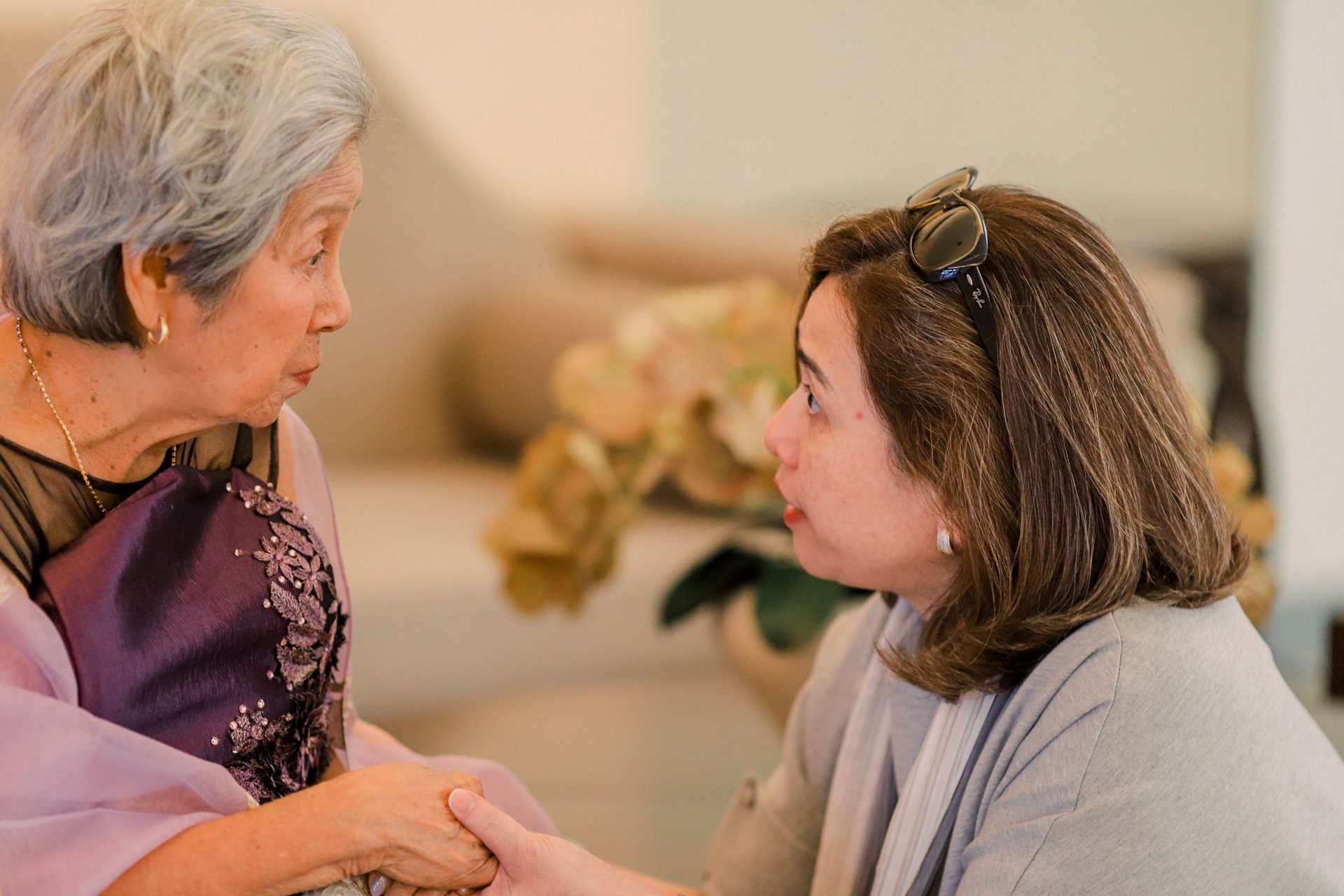

Talk it through with Jackie
No call centre and no obligation. Tell us what you are dealing with and we will tell you honestly whether we can help. We arrange and provide care; we cannot advise on benefit claims.
Looking for work rather than care? Apply online or read about carer jobs in London. Referring as a professional? Use our referral route.
Ask us to call you back
Thank you. Your request has been sent and we will call you back as soon as we can.