
Kingston upon Thames · South and south-west London
Supported Living in Kingston upon Thames
A supported living house in a quiet residential part of Kingston, where we provide personal care and day-to-day support for adults living in their own home. Here is how referrals, funding, tenancies and getting about work.
Who we support in Kingston. Adults aged 18 and over who need help to live in their own home, from personal care to cooking, budgeting and getting out and about. Our CQC registration is for personal care, and the people it lists us for are adults over 65, adults under 65, people living with dementia, people with a physical disability and people with a sensory impairment. The house is not a care home or a nursing home.
One of the three supported living houses where we provide support is in the Royal Borough of Kingston upon Thames; the others are in Whitton and Uxbridge. If you are a family member, a social worker or a commissioner looking at Kingston, this page covers what we can tell you now, how Kingston Council arranges supported living, and the practical side of life in the borough.
What we can tell you about the house today
The house is in a quiet residential area of Kingston, with spacious rooms and a garden, close to local shops, parks and hospitals. We do not publish the street address, room numbers or whether a room is free on this page, because those details change and belong in a conversation, not on a website. Ring us and we will tell you what is true this week, and arrange a visit if it looks like a fit.
What we will not do is promise a room before we have met the person and understood their needs, or describe the house as something it is not. It is a home where people hold their own housing agreement and receive support from us. It is not a residential placement, and we do not provide nursing.
Housing and support are two separate agreements
In supported living the person's housing and their care are kept apart. One agreement, a tenancy or a licence, covers the room and shared parts of the house and gives the person housing rights. A second agreement, the support plan, covers what we do. Before anyone moves, ask us:
- who the landlord is, and whether the person would sign a tenancy or a licence;
- how the rent and any service charge are made up, and whether housing benefit is expected to cover them;
- what support hours are in the plan, at what times, and how they are reviewed;
- what happens to the housing if the support provider ever changes.
Clear answers to those four questions are the difference between supported living and a care home with a different name.
How Kingston Council arranges supported living
The council describes supported living as being for adults over 18 who live in the borough and have been assessed as needing it. For a Kingston resident, the route in is a care needs assessment from Adult Social Care: the online request form, 020 8547 5005, or adults@kingston.gov.uk. If the person already has a social worker, start there instead. A financial assessment follows, and the council says rent can be met through housing benefit.
For young people moving from children's services, Kingston's transition guidance sets out a timeline: young people likely to need adult support are tracked from Year 9, a referral to adult social care is made at 16, an adult social worker is allocated at 17, and requests for paid services go to the council's Quality and Risk Forum about three months before the 18th birthday. If supported living might be the plan at 18, it is worth raising at the Year 9 review, not at 17 and a half. This timeline is the council's process for every young person, whatever their needs; it is not a service we run.
Funding someone from another borough works differently. If a person moves into supported living in Kingston from, say, Richmond or Merton, the placing council usually keeps responsibility for the care funding and reviews. Talk to that council's social worker first; we are happy to join the conversation.
Getting about from a Kingston home
Supported living is about an ordinary life, and in Kingston that life depends on buses and South Western Railway: the borough has no Tube. The town centre is the hub, with Cromwell Road bus station, Fairfield and Eden Street stops, and Kingston station, with trains to Waterloo via Wimbledon.
- Kingston Hospital on Galsworthy Road has the K2 and K4 to its forecourt, and the K3, 57 and 213 on the road outside. Norbiton station is a five to ten minute walk.
- The 281 runs from Tolworth through Surbiton and Kingston to Teddington, Twickenham and Whitton, so friends and family in those places have a single bus.
- The SL7 Superloop links Kingston with Heathrow one way and New Malden, Worcester Park, Sutton and Croydon the other.
- For people who find buses hard, Staywell can advise on eligibility for a Blue Badge, a Taxicard or Dial-a-Ride membership and help with the application.
Part of our job is building up confidence with these journeys, step by step, until a trip into town or to an appointment is something the person can do on their own if they want to.
The local services residents use
Living in Kingston means registering with a Kingston GP, and through that practice getting Your Healthcare's community nurses if they are ever needed. Other local organisations that matter:
- Kingston Centre for Independent Living, a user-led disability charity on the High Street, which runs Kingston PA Brokerage for people managing their own direct payments.
- Healthwatch Kingston, the independent voice for people using health and social care in the borough, including for raising concerns about any provider, us included.
- Connected Kingston, the council's partner directory of clubs, classes and groups, useful for building a week that is not all about support.
What support covers day to day
Support is written around each person, and changes as their skills and confidence grow. It can include help moving in and running a home, claiming and managing benefits, budgeting, planning meals and the weekly shop, getting to health appointments, education, training or work, and keeping up friendships. Where someone needs personal care, such as help with washing, dressing or medication, that is part of the plan too. Nursing tasks stay with the NHS community nurses, as they would for anyone living in their own home.
Supported living in Whitton, Kingston and Uxbridge →
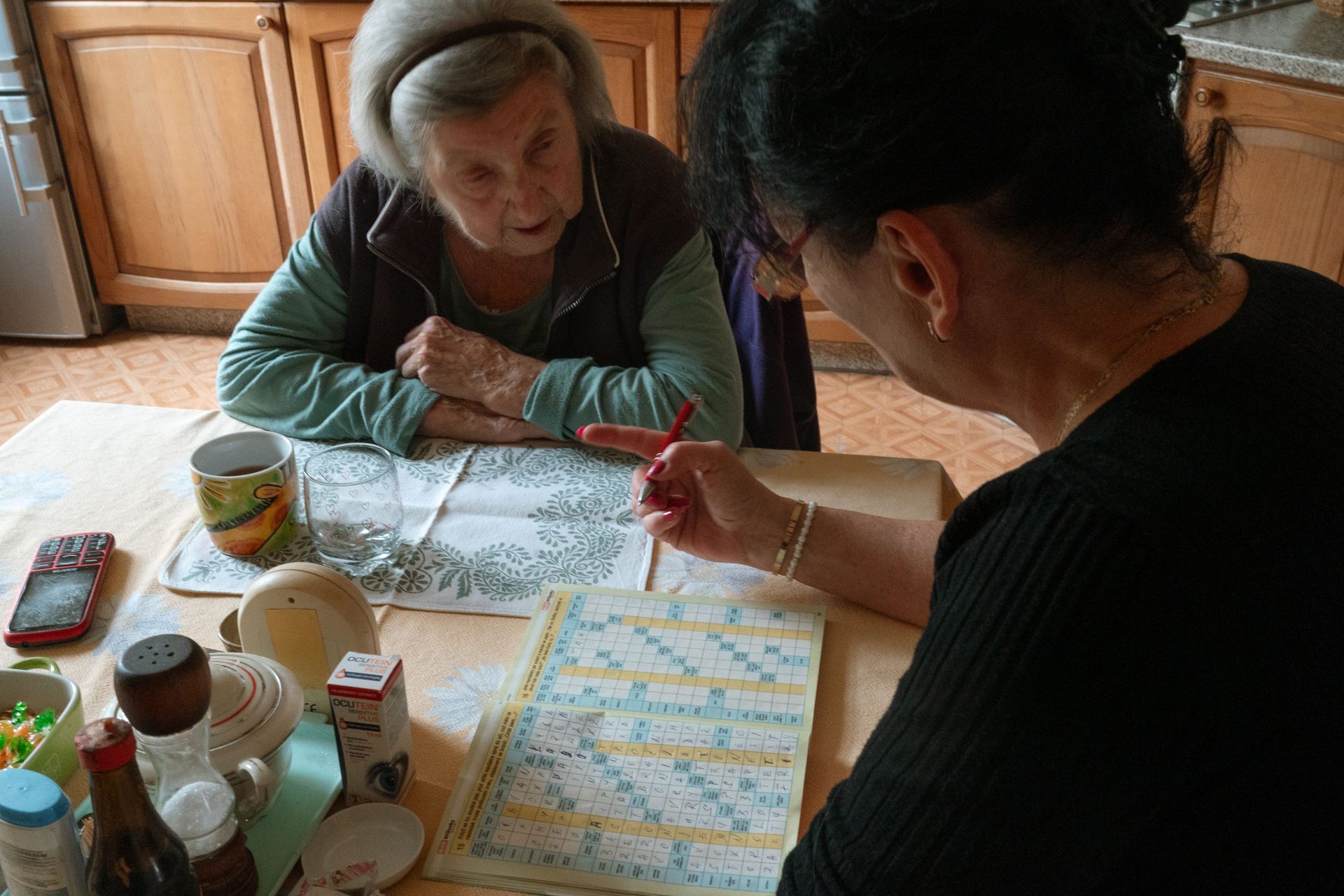
Care at home in Kingston upon Thames
Where to start
Supported living from Kingston upon Thames
Nearest supported living house
Council assessment
Royal Borough of Kingston upon Thames, 020 8547 5005. Needs assessments.
Can we visit the Kingston house before making a referral?
Yes. Ring us, tell us a little about the person, and we will arrange a time. Visits are planned around the people already living there, because it is their home.
Who pays the rent in supported living in Kingston?
The rent is the tenant's, under their tenancy or licence, and is often met through housing benefit. Care and support are funded separately, usually by the council after an assessment, or privately. Ask us who the landlord is before any move.
We live in Richmond. Can my son move to the Kingston house?
It may be possible. Richmond Council would normally carry on funding his support after the move, so talk to his social worker there first. Kingston is a short bus ride from much of Richmond, including the 281 and 65.
Is there a nurse at the house?
No. We are registered for personal care, not nursing. Anyone who needs nursing gets it from the NHS community nursing team through their GP, as they would anywhere else in Kingston.
How do professionals refer?
Use our referral route for professionals, or call us first to check whether the house could meet the person's needs before you complete any paperwork.