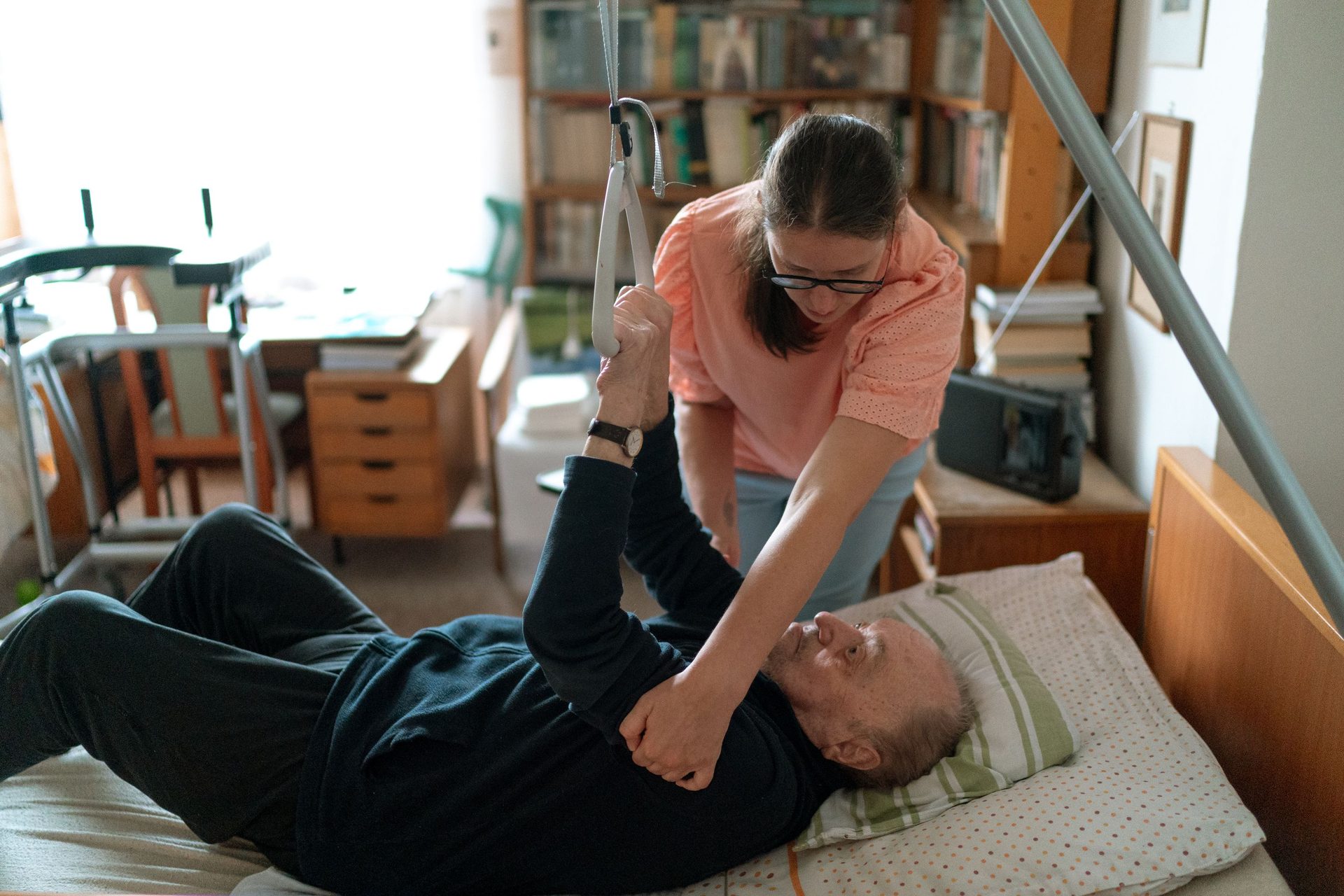
Islington · Central London
Home Care in Islington
Visiting carers for washing, dressing, meals and medication in Islington homes, from Clerkenwell walk-ups to Archway tower blocks, and a plain guide to the council, hospital and charity help that sits around them.
Yes. JNP Sidona sends visiting carers to Islington homes for personal care, meals, tablets and the jobs that have got too hard, at times agreed in a written plan. Before any of that, someone from us comes to the home, looks at the flat and the routine, and only then do we say what we can staff. In the south and middle of the borough that is usually straightforward. Further north it depends on which carers are free, and we say so on the first call.
Which parts of Islington can a visiting carer reach?
Our office is on Lewisham High Street in SE13, and we have no Islington base, so the honest answer depends on the postcode. The southern half of the borough is one of the easiest parts of north London to reach from Lewisham: Thameslink runs from London Bridge to Farringdon in about ten minutes, and the Northern line runs from London Bridge and Bank to Angel. That puts Clerkenwell and Angel roughly 30 to 35 minutes from the office, and Barnsbury, Canonbury and Highbury roughly 35 to 45, with the Overground from Shadwell up to Canonbury and Highbury & Islington.
Holloway, Archway, Upper Holloway and the Islington side of Finsbury Park are 45 to 55 minutes away. We do take on visits there, but whether regular calls can be covered depends on who is free when you ring. If visits are not workable, live-in care is, because a live-in carer does not travel each day.
Carers in Islington mostly travel by Tube, bus or bike. The council runs 24 controlled parking zones with very different hours, ten of them with extra controls on Emirates Stadium match days; Clerkenwell and Finsbury sit inside the Congestion Charge zone; and the whole borough is inside the ULEZ.
Who needs care at home in Islington: the census picture
The 2021 Census counted 216,587 people in Islington. Only 20,321 of them were 65 or over, under one in ten. The older residents it does have are often on their own: 7,636 households were a single person aged 66 or more. Another 2,168 households were families in which everyone was 66 or over, often a couple looking after each other.
The housing is what shapes the care. About 84% of Islington households live in a flat, maisonette or bedsit, and 40% rent from the council or a housing association. A third of all homes have one bedroom. In practice that means most care in the borough is delivered up a staircase or a lift, in rooms with little space for equipment, and in homes where a second person cannot easily move in. The census also found 14,840 residents giving unpaid care, 3,932 of them for 50 hours a week or more. Many of the calls we get are from those people.
When the lift on your block is out
On the big post-war estates in Holloway, Archway, Finsbury and around Highbury Quadrant, a working lift is the difference between getting out to the shops and being stuck indoors for a week. Tell us at the first visit which floor you are on and how reliable the lift has been, because it changes what we plan for: whether shopping is carried up or delivered, what happens about appointments, and who rings the landlord.
Barnsbury, Canonbury and Highbury have the opposite problem. The Georgian and early-Victorian terraces there were split into flats long ago, so the front door may be up a steep shared staircase with a rail on one side only. In Clerkenwell and around Angel, the old philanthropic and mansion blocks often have no lift at all. Period bathrooms in all of these tend to be narrow, which makes a level-access shower or a bath lift hard to fit. If equipment would help, ask the council for an occupational therapy assessment; it uses the same online request form as a needs assessment.
Going home from the Whittington or UCH
Most Islington residents come home from the Whittington at Archway or University College Hospital on Euston Road, and some from the Royal Free. Hospital discharge referrals into council care go through Islington's Integrated Health and Care Front Door. Whittington Health's social work team covers Islington patients at the Whittington and the Royal Free who will need care at home, and the Islington Rapid Response team supports early discharges from both the Whittington and UCLH.
Two NHS and council services often come first, and it helps to know what they are. The council's own Islington Reablement Service, based at 222 Upper Street, works with people for a short spell after a hospital stay to get them doing things for themselves again; national rules make reablement free for up to six weeks. Whittington Health's district nurses visit housebound adults across Islington and Haringey for wounds, catheters, medicines and end-of-life care, and their message line, 020 7288 3555, is answered day and night. Neither is a long-term home care service. When reablement ends and help with washing, dressing and meals is still needed, that is where a provider like us comes in.
Ring us before the discharge date is set. If you want private visits after a stay at the Whittington or UCH, call while the ward is still planning, not on the morning your relative leaves. We need to see them, check which carers can cover their part of the borough and agree start times. Our hospital discharge support page explains the handover.
How do I ask Islington Council for help at home?
Islington Adult Social Care takes requests through its Integrated Health and Care Front Door, which many people still call the Access Service. You can request a needs assessment online or phone 020 7527 2299, Monday to Friday, 9am to 5pm. The council calls its approach "Bright Lives": expect questions about what you can still do and who already helps. Outside office hours the Emergency Duty Team is on 020 7226 0992 for urgent adult social care and safeguarding; if someone is in danger, call 999.
If you are found eligible, you can take the council's support as direct payments and use them to buy care from a private provider such as us, or to employ a personal assistant. The council's Direct Payments team is on 020 7527 8164.
Alarms and sensors from the council's Assistive Technology team
For someone living alone, a carer's visit covers an hour or so. The rest of the day can be covered in other ways. Islington's Assistive Technology service, also called Telecare, supplies personal alarms, medication dispensers and GPS trackers for people who might fall, get lost outside or feel unsafe at home. A social worker, occupational therapist or other practitioner makes the referral, and the council says there is no charge where someone has an eligible social care need; there are paid options otherwise. The team is on 020 7527 5456. We note any alarm in the care plan so carers check it is charged and worn.
If staying in the flat stops being safe
Sometimes the honest conclusion is that the home, not the care, is the problem: a fourth-floor walk-up, or a flat with a bath that can no longer be used. Islington lists around thirty sheltered housing schemes for people aged 55 or over, most run by Clarion, each flat linked to a 24-hour alarm, with a scheme manager on weekdays. You apply through the council's housing register on 020 7527 4140. For people who need daily personal care, the council's housing options page names an extra care scheme at Mildmay Street, N1, reached through a social care needs assessment. Council tenants in a home that is now too big can also ask for help to downsize. Visiting care can carry on after a move within Islington, subject to the same travel question.
How much does home care cost in Islington?
We put a figure in writing once we have visited and know how many calls are needed, how long each one is and at what times of day. We do not quote over the phone. If Islington Council is involved, a financial assessment decides how much you contribute, and the council's cost of care calculator gives an early idea before you apply. If you are paying for yourself, the NHS guide to paying for your own care covers what to check. Our paying for care guide explains NHS Continuing Healthcare and the means test.
Memory and sight: two Islington services worth knowing
If memory is the worry, ask the GP for a referral to the Islington Memory Service, run by North London NHS Foundation Trust from Brewery Road, N7. It mainly sees people over 65 and can visit people who are housebound. After a diagnosis, the trust's Dementia Navigator Service offers longer-term support to the person and their family. Home care sits alongside both.
For sight loss, Moorfields Eye Hospital on City Road is in the south of the borough. Moorfields says its new centre at St Pancras is due to open to patients in summer 2027 and that it will write to patients before services move, so check each appointment letter for the address. Sensory impairment is one of our registered specialisms. Carers can lay out medication the same way each day, keep furniture where it has always been and read post aloud.
Everything our carers can help with →

Areas of Islington we cover
Visits depend on carer availability; live-in care works in all of them.
Local contacts
Arranging care in Islington
Council adult social care
London Borough of Islington, 020 7527 2299. Needs assessments.
Postcodes
N1, N5, N7, N19, N4 (part), EC1, N6, WC1X
Independent feedback
Advice for older people
My dad lives near Finsbury Park. Is that Islington, Haringey or Hackney?
It could be any of them. Finsbury Park is split three ways, and the park itself is in Haringey. His council tax bill tells you which council to ask for an assessment. We take enquiries from all three.
Will Arsenal match days affect my mum's visits in Highbury?
They can affect the roads, buses and parking around the Emirates, Highbury, Holloway and Finsbury Park. Our carers travel by Tube and bus, which helps, but on a home match day we allow for crowds near Arsenal and Holloway Road stations.
I visit Mum by car most days. Is there any help with parking?
Two things. Residents aged 60 or over, or getting Disability Living Allowance or Employment and Support Allowance, can buy discounted visitor vouchers for their zone. And a family member who cares for an Islington resident can buy a carer permit at the resident price once they have had a carer's needs assessment.
My father is more comfortable speaking Greek. Can you send a Greek-speaking carer?
We cannot promise a particular language. Tell us when we visit and we will try to match him with a suitable carer. Islington Council's Alsen Day Centre on Durham Road, N7, has Greek-speaking staff, and a place there is arranged through a council assessment.
We already get a council care package. Can we add private visits on top?
Yes. You can pay privately for an extra call, a sit-in or a weekly outing alongside what the council arranges. We agree the times so the two do not overlap.
Is the reablement team the same as ongoing home care?
No. Reablement is short-term help from the council after a hospital stay or a setback, aimed at getting someone back to doing things for themselves. If they still need help when it ends, the council reviews their needs, and ongoing care is arranged by the council or privately.