Walthamstow Village · Waltham Forest
Live-in Care in Walthamstow Village
For older couples and long-time owners around St Mary's Church and Orford Road who want to stay in the cottage they know, with a carer living alongside them.
Any Village address with a room for the carer can have live-in care from us. The carer sees to washing, dressing, cooking, tablets and getting safely round the house, for a widow on her own or for husband and wife together. Jackie calls round first and shapes the plan to that cottage and those people.
Two people, one carer, one old house
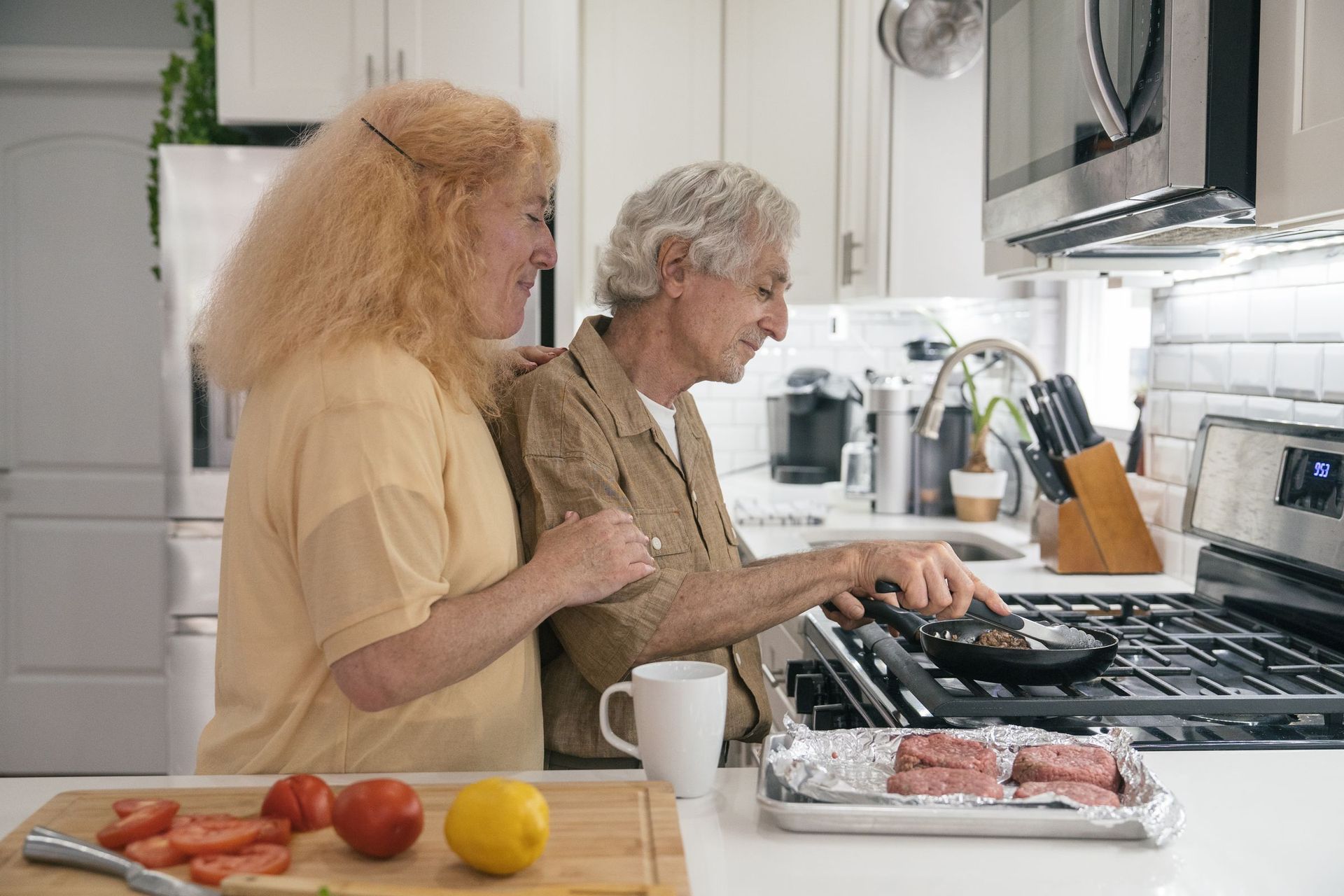
Plenty of Village couples have aged together under one roof. Hoe Street ward, which takes in the Village, held 121 family households with nobody under 66 at the 2021 census. Usually one spouse quietly becomes the nurse: hoisting, night trips to the loo, the pill organiser, while their own health slides. Bring in a resident carer and the spouse can stop being staff and simply be married again.
Each spouse gets their own plan: perhaps full help to wash and dress for one, just cooking and an escort to the surgery for the other. When both are heavily dependent, or one is up repeatedly overnight, Jackie will be frank about whether a single carer is safe.
Does a small Village terrace have room?
Usually. In a two-up two-down the back bedroom tends to work, as long as it holds a real bed and a rail for clothes, has a window, and shuts. A cupboard-sized box room will not last a three-week rota. Conversions vary more: in Hoe Street ward 19.1% of households were in a split house and 28.9% were one-bed, and one-bed means no live-in. If your relative lives in one of the Village almshouses, speak to the trustees first; the rooms are small and there may be rules about who stays.
When the narrow stairs become a problem
Village staircases are steep and tight, and a stairlift will not fit every one. Where your relative still manages with a steadying hand, the carer is at their side on each climb, night included. Where they cannot, the bed moves to the front room and the carer has the upstairs. Line up an OT visit through adult social care ahead of the start date so the commode and rails are fitted before day one; a hoist in a narrow parlour needs measuring first. Because this is a conservation area, clear any key safe or handrail on the front elevation with planning.
Arriving on foot, not by car
Carers step off at Walthamstow Central and wheel their case a few minutes east. Cars are the headache: the streets are in controlled parking zones, and few homes have room to pull up outside. A son driving over for changeover should settle his stopping place in advance and book the household's visitor hours.
Leaving Whipps Cross with nobody at home who can lift
When the only other adult at home is an elderly spouse, the first nights after discharge are risky. Make sure the ward hears that, then phone us. Our carer works in tandem with the council's six-week reablement and can stay on once it finishes. See hospital discharge support.
Afternoons off, a few streets away
The carer's daily break is easy to take nearby: a coffee on Orford Road, a walk round St Mary's churchyard, or the High Street shops. While they are out, the other partner, a neighbour or a relative keeps an eye on things, which is one more reason live-in care suits couples. For your relative, the carer can keep up what still matters: Sunday service at St Mary's, lunch on Orford Road, and, once it reopens after its refurbishment (the council said autumn or winter 2026), the Vestry House Museum. If they live with dementia, those familiar walks are a good reason to stay.
Visiting family, and the Village without a car
At the census 52.6% of Hoe Street ward households had no car. Relatives who visit by public transport arrive at Walthamstow Central, a few minutes' walk away, which makes it easy for a son or daughter to drop in for an hour while the carer takes a break. If they drive, the household's visitor allowance on MiPermit applies, and Orford Road's daytime restrictions mean parking a street or two away.
Paying for live-in care in the Village
Village residents follow the standard Waltham Forest sequence: needs, then money, then perhaps cash in hand to buy care from us. Where the illness is essentially medical, NHS Continuing Healthcare may meet the bill. Private clients get our figure on paper after the visit. Shorter calls are covered under Village home care.

Live-in care elsewhere in Waltham Forest
Living in Walthamstow Village
Homes and health services in Walthamstow Village
Homes in Walthamstow Village
Small Victorian terraces and cottages with narrow stairs, almshouses and converted flats. In the 2021 census Hoe Street ward had more converted-house flats (19%) than the borough (13%) and 29% of households had one bedroom.
NHS hospitals
Whipps Cross University Hospital and North Middlesex University Hospital
Memory and dementia
Mum and Dad both need help. Is one carer enough in their cottage?
Normally, if the two of them together fit a day's work and nights are mostly settled. Jackie assesses each separately and will say if it needs more.
All we have spare is the box room over the stairs. Any good?
Rarely for a multi-week rota. Swapping rooms, with your relative sleeping downstairs, often frees a proper bedroom.
Their cottage is in the conservation area. Is a key safe allowed?
Ask the council planners first, and get listed building consent if it applies. One is very handy at changeovers.
Where does the carer go when Dad wants the house to himself?
Their daily break is the natural time. Orford Road, the churchyard and the High Street are all close, and the care plan says how the carer can be reached while out.
Nearby
Nearest areas to Walthamstow Village outside Waltham Forest
Closest first, measured in a straight line from the centre of Walthamstow Village.