
Wood Street · Waltham Forest
Live-in Care in Wood Street
Live-in care on the forest side of Walthamstow, often arranged as someone comes home from Whipps Cross a short way down the road, and kept going for as long as it is needed.
Yes, JNP Sidona arranges live-in care in Wood Street, E17. Often it starts as someone leaves Whipps Cross, a short way down the road, and needs more than a few visits a day. A carer moves into the spare room and helps with washing and dressing, meals, medicines, getting moving again after illness, and company. Jackie assesses first and writes the care plan before the carer arrives.
Can live-in care be ready when Dad leaves Whipps Cross?
It can, if we hear early enough and have the right carer free. Discharge dates at Whipps Cross can be set at short notice, so call as soon as the ward first talks about going home. If we cannot staff it for that date, we will say so at once, so the discharge plan is not built around us.
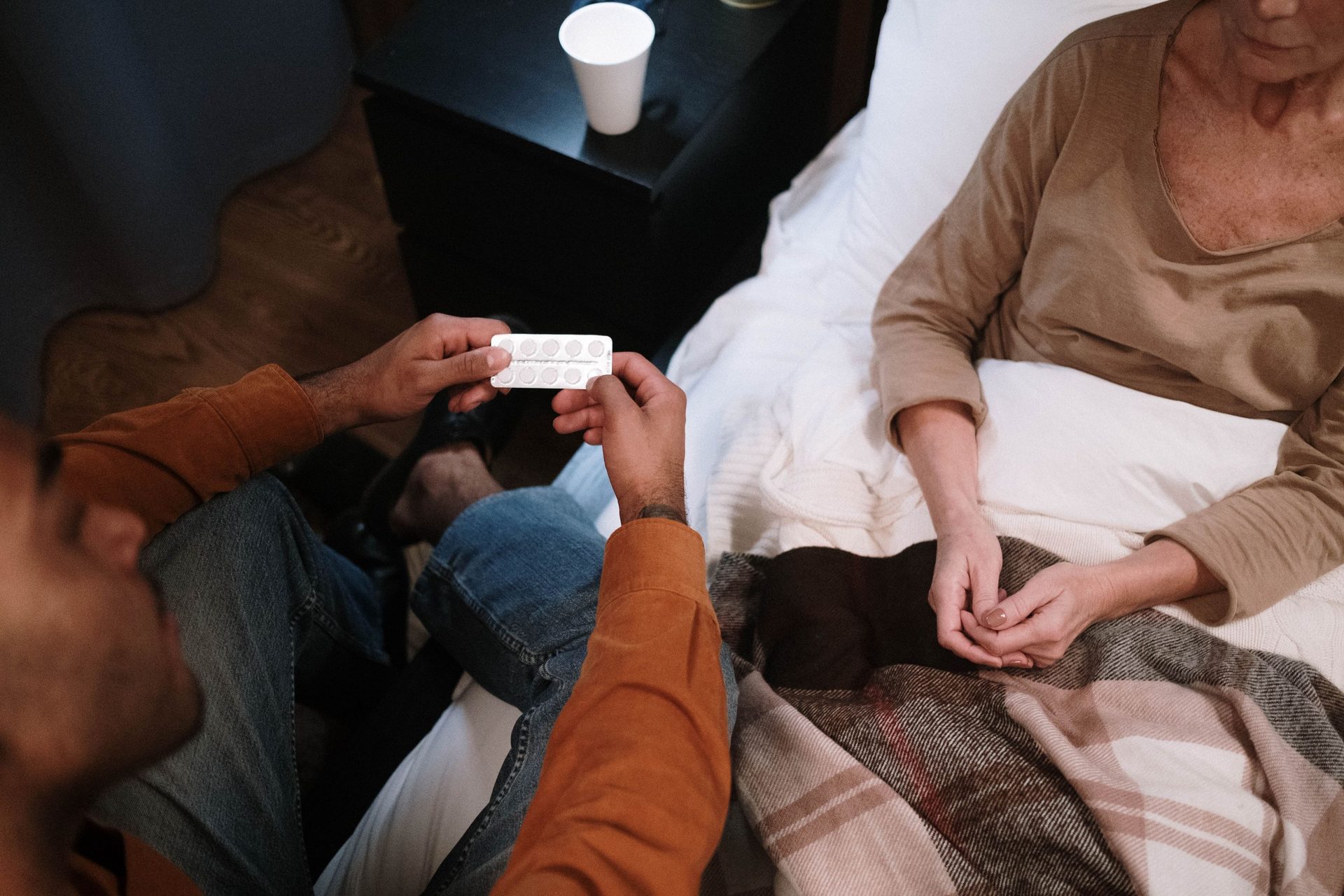
Live-in care suits a discharge because the hard part of coming home is rarely the daytime. It is the first evening alone, the first trip to the bathroom at night, and the confusion that can follow a hospital stay. A carer in the house covers the hours between the reablement team's visits. If your relative is likely to need help several times a night, tell us, because the carer also needs sleep and the plan must allow for it.
The first fortnight at home
- Before discharge. We agree the care plan with you, check the equipment the ward or occupational therapist has ordered, and confirm the carer's room is ready.
- The day home. The carer is at the house when your relative arrives, settles them in, collects any medicines that did not come with them, and starts the medication record.
- Alongside reablement. If the council's free reablement service is involved for its up-to-six weeks, its officers and therapists keep visiting, and the carer follows their exercises in between.
- The first review. Jackie checks in with you and the carer early on. Some people step down to visits; others keep live-in care.
Which Wood Street homes suit a live-in carer?
Wood Street ward is mostly flats: 43.2% of households lived in a purpose-built flat in 2021 and 26.1% had one bedroom, which is not enough for a carer to live in. Towards the forest, interwar houses with two or three bedrooms usually work. Nearer the station, an upper Warner flat with two bedrooms works on space, but after a fall or a hip operation the staircase behind the front door may keep your relative indoors for weeks; ask the hospital occupational therapist to look at it before discharge. In Northwood Tower, the 21-storey block on the Marlowe Road estate, the lift makes coming home in a wheelchair possible, if the flat has a second bedroom.
If there is no spare room, visiting care in Wood Street is the alternative.
Changeover by the Weaver line
Wood Street station is on the Overground Weaver line between Liverpool Street and Chingford, and that is how a relief carer usually arrives and the outgoing carer leaves. The 230 and W16 buses also stop by the station. Carers do not drive, so controlled parking makes no difference to them; it matters more for family bringing shopping or taking your relative to a follow-up appointment.
Where the carer takes a break
Wood Street is a good spot for a carer's daily time off. Hollow Pond, on the Leyton Flats part of Epping Forest, is about a mile's walk from the station. Closer to home are the Wood Street indoor market and Wood Street Library in Troubridge Square. As your relative recovers, those become part of their plan too: a short walk to the market, then further, until a stroll under the trees is realistic again.
Nurses and follow-up appointments
If the discharge involves wound care or injections, NELFT's district nurses do that at home; one of their bases is the Jane Atkinson Health and Wellbeing Centre on Forest Road, and their number is 0300 300 1710. The carer lets them in, keeps notes and reports changes. For clinic appointments back at Whipps Cross, the carer can go with your relative by bus or taxi and pass on any changes to medicines or exercises.
Who pays once the hospital stage is over?
When reablement ends, longer-term care is council-funded after a Care Act assessment and means test, NHS-funded through Continuing Healthcare where needs are mainly health needs, or paid privately. Ask the ward whether a Continuing Healthcare checklist has been done before discharge. We quote for live-in care in writing after our assessment; the council route is on our Waltham Forest live-in care page.
Live-in care elsewhere in Waltham Forest
Living in Wood Street
Homes and health services in Wood Street
Homes in Wood Street
Edwardian terraces (including Warner flats), interwar houses towards the forest, 21-storey Northwood Tower on the Marlowe Road estate and newer flats near the station. In the 2021 census 43% of Wood Street ward households lived in purpose-built flats and 20% rented from the council.
NHS hospitals
Whipps Cross University Hospital and North Middlesex University Hospital
Memory and dementia
Mum is being discharged on Friday. Is it too late to call?
Send us the postcode and the date and we will tell you honestly whether we have a suitable carer. If not, ask the ward about reablement or a short delay while care is arranged.
Will live-in care stop when reablement ends?
Only if you want it to. Some people recover enough to manage with visits; others keep the live-in carer. We review it with you at the end of reablement.
The spare room is upstairs and Mum will sleep downstairs. Is that a problem?
Not usually. We talk about how the carer will hear her at night, for example with a baby monitor or a pendant alarm.
Is there anywhere for the carer to go on their break that isn't a shop?
Hollow Pond, about a mile's walk from the station, and Wood Street Library in Troubridge Square are both within reach.
Nearby
Nearest areas to Wood Street outside Waltham Forest
Closest first, measured in a straight line from the centre of Wood Street.