Whitechapel · Tower Hamlets
Live-in Care in Whitechapel
Live-in care in Whitechapel, E1, often arranged around a stay at the Royal London Hospital. Whitechapel has more one-bedroom homes and fewer spare rooms than almost anywhere in Tower Hamlets, so we start by checking the space, and tell you plainly if live-in care will not fit.
The space problem in Whitechapel
Whitechapel is young, crowded and mostly rented. At the 2021 Census, 38.6% of homes in the Whitechapel ward had one bedroom, and only 26.8% of households had a spare bedroom, the second-lowest share in the borough. More than half rented privately.
One-bedroom flats rule live-in care out: the carer must have a separate room, and we will not offer a sofa. Where there is no space, visiting care in Whitechapel or a short spell in another setting may be the answer. Where there is a second bedroom, often in an older person's long-held council or housing association flat, live-in care can work well.
Live-in care straight from the ward
For many Whitechapel families, live-in care comes up during a hospital stay. The Royal London's discharge planning works like this:
- The council's hospital social work team, based at the Royal London, plans the discharge for Tower Hamlets residents.
- For new needs, the team arranges up to four weeks of NHS-funded care at home, then reviews whether longer support is needed.
- East London NHS Foundation Trust's community services, including the Urgent Community Response team (8am to 6pm, every day), district nursing and the Community Intermediate Care Team, support people at home.
Ring us before the ward sets a date. We need to see the spare room and line up a carer, so the switch from funded care is seamless.
Relatives can get help on site too. Go to the Patient and Family Contact Centre, by the Stepney Way entrance, and ask for the Carers Centre's hospital worker.
Medicines after a hospital stay
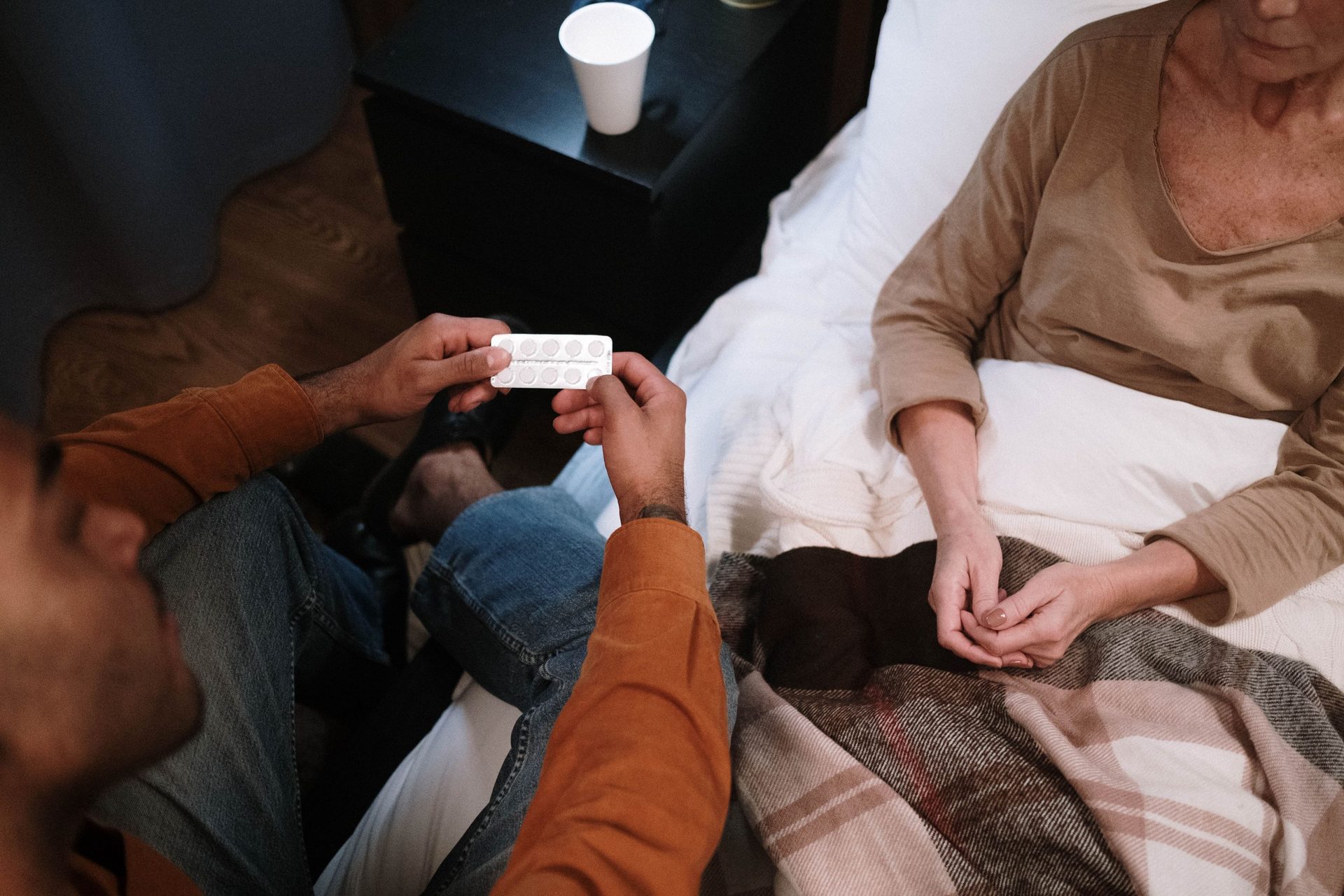
People often come home with new tablets, changed doses and a box of dressings. A live-in carer can prompt and record medicines through the day, notice side effects early, and make sure follow-up appointments are kept. Our carers do not do nursing tasks, but they work alongside the district nurses and tell the family and the GP about changes. See medication support.
Outpatient follow-ups without a car
After discharge come the clinic letters. In Whitechapel almost nobody drives, so the carer plans each trip by bus or Tube. The 25 and 205 run east along Mile End Road towards Mile End Hospital, which holds outpatient clinics, blood tests and scans; the 205 also runs west to Liverpool Street and on to Moorfields Eye Hospital. The 254 heads north to Bethnal Green and Hackney, and the D3 south to Wapping and Limehouse. A resident carer can book the journey around the person's energy, wait with them and bring them home.
Carers arriving at Whitechapel
Whitechapel station has the Elizabeth line, the District and Hammersmith & City lines and the Overground Windrush line, so carers can arrive from almost anywhere. Changeovers are face to face. Very few households here have a car: 77% had none at the last Census. Most of our carers come by train, which also avoids the parking controls.
Sharing a home in the Bangladeshi East End
Whitechapel is at the heart of the Bangladeshi community, with the East London Mosque on Whitechapel Road. A live-in carer shares meals, prayer times and the life of the household. Speak to us about Sylheti or Bengali, halal meals, the Ramadan routine, the flow of visitors and a female carer; before anyone moves in you will know how near we can get.
The council, now in the old hospital
Tower Hamlets moved its Town Hall into the former Royal London Hospital building on Whitechapel Road. Care requests still go through TH Connect rather than the front desk. In crowded Whitechapel flats the council may decide visits meet the need; live-in care, where a room exists, is usually paid for privately, against a written quote from us. See the borough live-in page.

Live-in care elsewhere in Tower Hamlets
Living in Whitechapel
Homes and health services in Whitechapel
Homes in Whitechapel
Estates and mansion blocks, Victorian terraces converted to flats, and new blocks around the station.
NHS hospitals
Royal London Hospital and Mile End Hospital
Memory and dementia
Mum lives in a one-bedroom flat. Can she have a live-in carer?
No. A live-in carer needs their own bedroom. Visits, or a short spell elsewhere while you plan, are the realistic options.
Dad is on a ward at the Royal London. Can a live-in carer be ready when he comes home?
Sometimes. Phone while he is still an inpatient; start dates depend on which carers are free.
Who helps us, the family, during the discharge?
Ask for the carers' support worker based in the hospital's family contact centre; they help with discharge plans and benefits.
Can the carer manage Dad's new medicines?
The carer can prompt and record medicines as set out in the care plan, and tell the district nurse or GP about any problems.
Nearby
Nearest areas to Whitechapel outside Tower Hamlets
Closest first, measured in a straight line from the centre of Whitechapel.