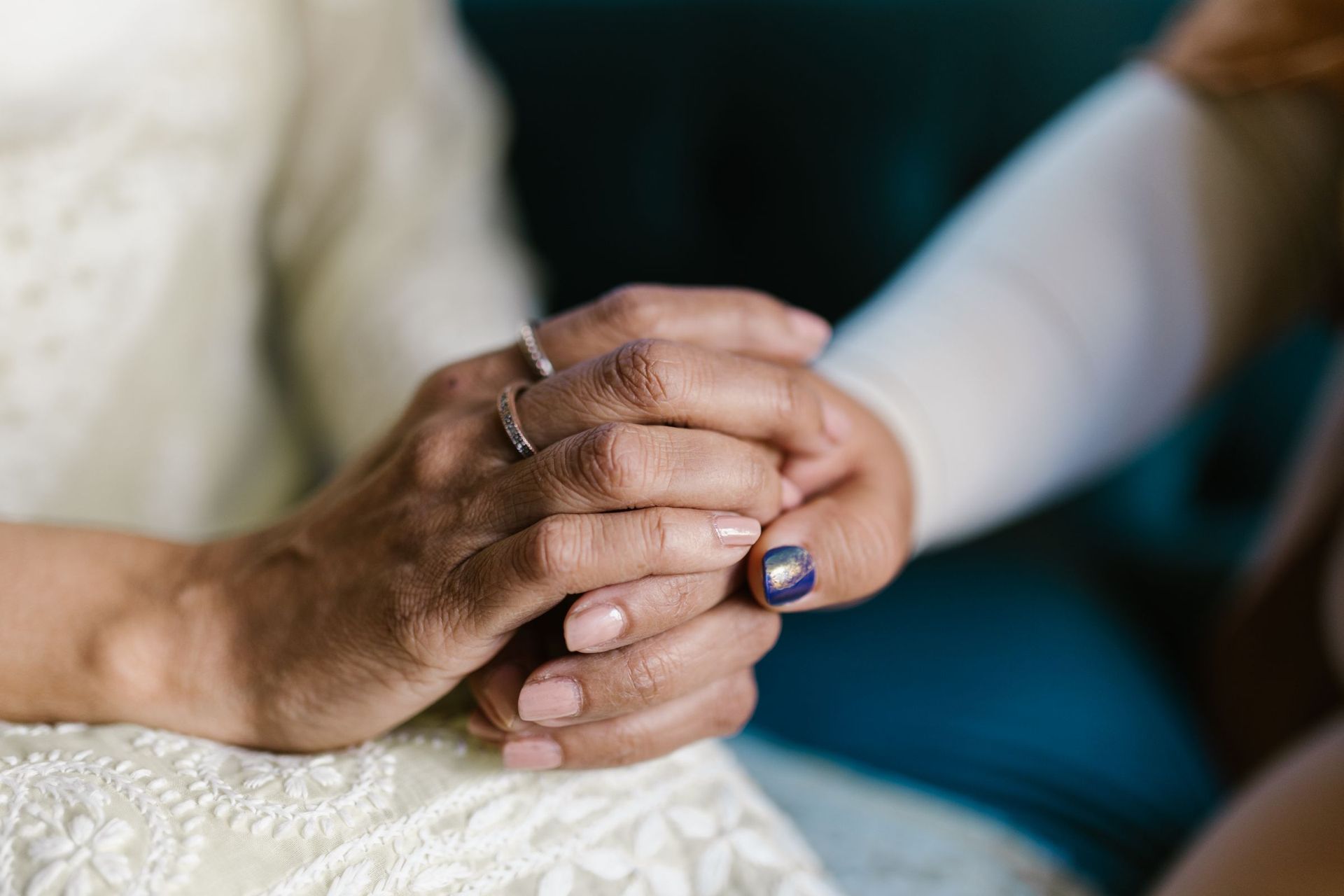
Cancer Care at Home in London
We support people living with cancer at home in London with personal care, comfort and practical help around treatment days and hospital appointments. Our carers work alongside the oncology team, the district nurses and the hospice where one is involved. Treatment, symptom control and nursing stay with them.
What does cancer care at home involve?
Cancer care at home from a homecare agency is the hands-on help between hospital visits: washing and dressing, meals, the household, company, and getting to and from appointments. It does not include treatment. The hospital team plans and gives treatment, the GP and district nurses look after the nursing side at home, and our carers fill the hours in between so the person can stay in their own home and the family is not doing everything alone.
Needs change with treatment. Someone may manage well one week and need help with every wash the week after chemotherapy or surgery. The care plan is reviewed whenever needs change, so the visits can grow, shrink or move to live-in care as the situation does.
What our carers help with
- Personal care at the person's pace: washing, bathing, dressing, continence care and help getting in and out of bed
- Comfort: help with positioning, keeping skin clean and dry, changing bedding, and reporting any red or sore areas of skin to the district nurse straight away
- Meals and drinks, offered at the pace the person wants when appetite comes and goes
- Medication support in line with the plan set by the GP, the hospital team and the district nurses
- Help around the house: laundry, cleaning, shopping and keeping the home running
- Company and sitting, so a partner or son or daughter can rest, work or step outside
Help around treatment days and appointments
Treatment days are long and tiring. A carer can help the person get ready in the morning, travel with them to the hospital or clinic, wait with them, and write down what was said for the family. Our escort to appointments service explains how that works. Afterwards, the carer can make sure they get home, eat something and rest.
If you are worried about symptoms during treatment, call the contact number the cancer team gave you, or NHS 111. In an emergency, call 999. Our carers are not a substitute for the team's advice line.
Working alongside the oncology team, district nurses and hospice
We are one part of a wider team. The hospital oncology team leads on treatment. The district nursing team, reached through the GP, looks after nursing at home. Where the aim moves from treatment to comfort, a hospice or community palliative care team may become involved, and our palliative and end of life care page explains how we work with them. Our carers follow the plan these teams set, record what they see, and tell the district nurse when something changes.
Simple dressings, and what our carers do not do
We provide personal care, not nursing. Trained carers can help with simple dressings and similar tasks a district nurse has delegated and signed off, within the written care plan. Our carers do not give injections or chemotherapy, set up or manage syringe drivers, take on complex wound care, or decide on medicines. Those stay with the nursing and hospital teams.
What one family wrote. A family we supported while a relative was living with advanced cancer wrote on Google:
We cannot praise Jackie and her wonderful team enough. They are calm, compassionate, and trustworthy. … A heartfelt thank you to the team.
Julie F., Google review, November 2026
The review is quoted word for word, and the ellipsis marks where it is shortened. You can read the reviews in full on Google.
Visits or live-in care?
Regular visits are realistic where our carers work regularly: Bexley, the City of London, Greenwich, Lewisham, Southwark, Tower Hamlets and Westminster. In Barking and Dagenham, Bromley, Camden, Croydon, Dartford, Hackney, Hammersmith and Fulham, Haringey, Islington, Kensington and Chelsea, Lambeth, Merton, Newham, Redbridge, Waltham Forest and Wandsworth visits depend on whether a carer is free nearby, so ask with the address. Elsewhere in London we can arrange live-in care, because the carer moves in. Live-in care needs a spare bedroom, the carer takes a daily break, and they sleep at night.
We do not currently provide carers who stay awake all night. If the nights need someone awake, ask the district nurse or hospice what night support runs locally, and whether fast-track NHS Continuing Healthcare applies. Our 24-hour care page explains the difference between a live-in carer and night care.
Where can we get help with money and support?
- Macmillan Cancer Support. The Macmillan Support Line is free on 0808 808 00 00, 8am to 8pm, 7 days a week, and its money advisers can help you check and claim benefits. Macmillan also explains benefits and financial support and financial support for carers.
- Disability benefits. Personal Independence Payment is for people under State Pension age, and GOV.UK says that if you are nearing the end of life you automatically get its daily living part. People over State Pension age can claim Attendance Allowance, and there is a faster route for people nearing the end of life (GOV.UK, checked November 2026).
- The council. Anyone who needs help at home can ask the council for a free needs assessment. A family member who provides care can ask for a carer's assessment, and council funding can be taken as a direct payment.
- The NHS. Where someone's needs are mainly health needs, NHS Continuing Healthcare can fund the care package, and there is a fast-track route for someone whose condition is deteriorating quickly. The district nurse or hospital team can start it.
We accept private payment, council direct payments, family top-ups and NHS personal health budgets. Our guide to paying for care explains each route.
How to arrange care
Call us as early as you can, ideally before a discharge date is set or treatment begins. Jackie, our registered manager, visits for a free home assessment and talks to the person who needs care as well as to you. A relative who lives further away can join by video call, with the person's agreement. You then get a written care plan and a written quote. Urgent or short-notice starts are possible when we have capacity, and if we cannot staff a package safely, we say so straight away.
Questions families ask
Can your carers give chemotherapy, injections or nursing care?
No. We provide personal care, not nursing. Treatment and nursing stay with the hospital team and the district nurses. Trained carers can help with simple dressings and similar tasks a district nurse has delegated and signed off, within the written care plan.
Can a carer come with my mum to her hospital appointments?
Where we have visiting carers, yes. A carer can travel with her, wait with her and write down what was said for the family. Tell us the hospital and the appointment times at the assessment so we can plan the visits around them.
Can you care for someone with cancer overnight?
Only through live-in care, where the carer lives in the home and sleeps at night. We do not currently provide carers who stay awake all night, so if the nights need someone awake, ask the district nurse or hospice about local night support.
Is cancer care at home free?
Sometimes. If the person's needs are mainly health needs, NHS Continuing Healthcare can fund the care, and the fast-track route covers someone whose condition is deteriorating quickly. Otherwise the council's needs assessment and means test decide what it pays, and you can pay privately for anything else. We give a written quote after the free assessment.
From our blog
Guides that may help

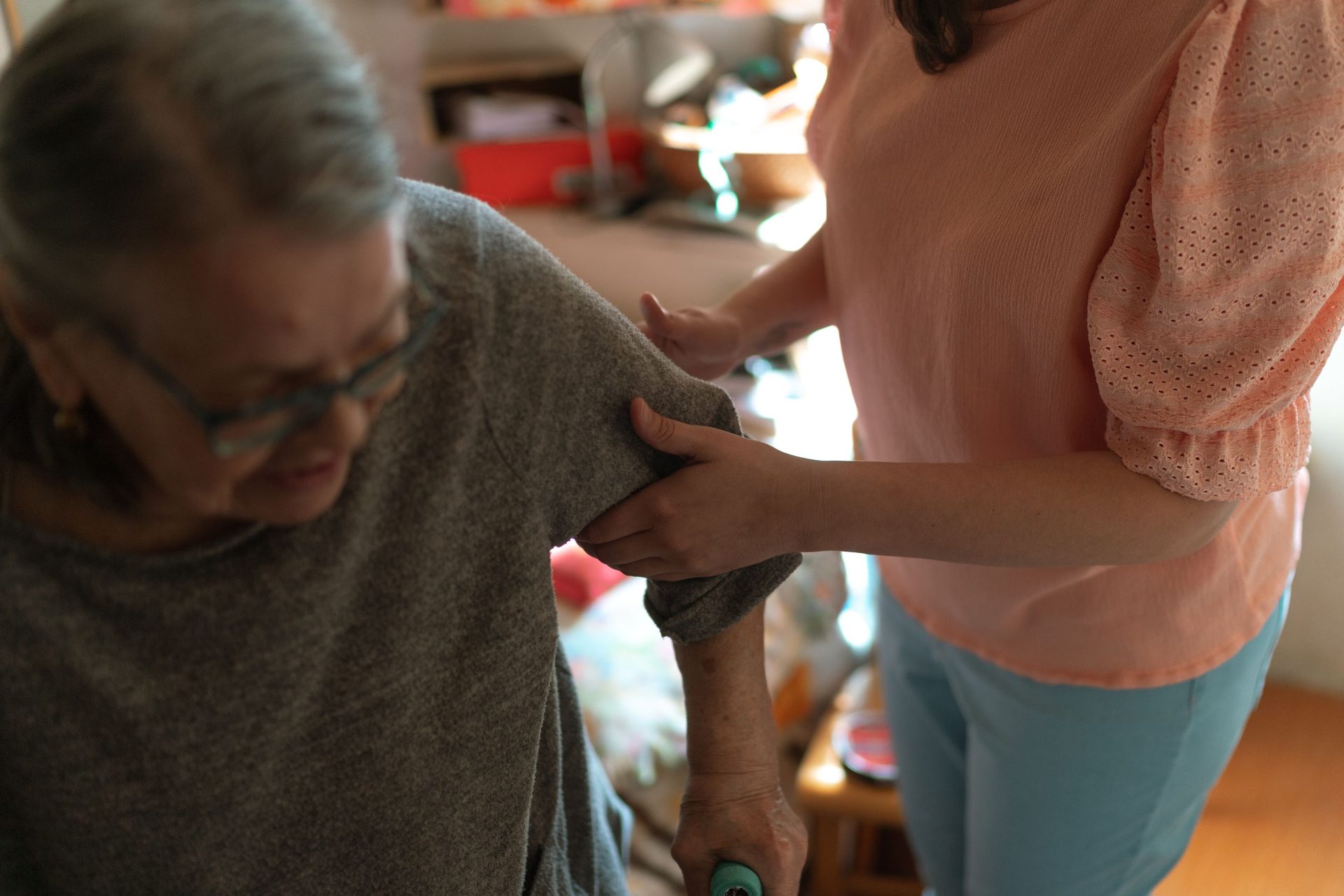
Talk it through with Jackie
No call centre and no obligation. Tell us what you are dealing with and we will tell you honestly whether we can help. We arrange and provide care; we cannot advise on benefit claims.
Looking for work rather than care? Apply online or read about carer jobs in London. Referring as a professional? Use our referral route.
Ask us to call you back
Thank you. Your request has been sent and we will call you back as soon as we can.